What Are Push Notifications?
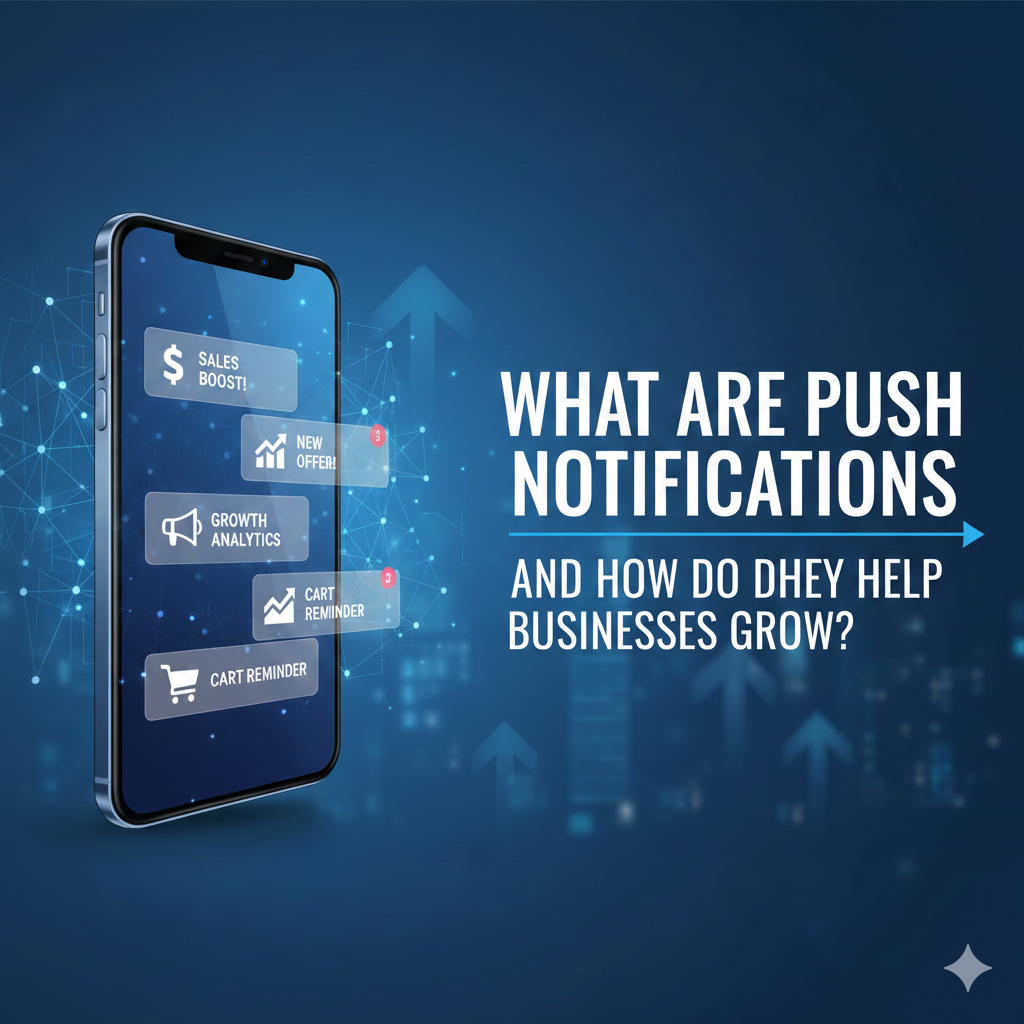
Push notifications are short, clickable messages sent directly to a user’s device—either a mobile phone, tablet, or desktop browser. These messages appear even when the user is not actively using your app or visiting your website.
If you’ve ever seen a message pop up saying “Your order is ready,” “Sunday service starts in 1 hour,” or “You’ve earned a reward,” then you’ve already interacted with push notifications.
Many people still ask questions like:
-
What are push notifications?
-
What does push notifications mean?
-
How do push notifications work?
In simple terms, push notifications allow businesses to communicate instantly with their customers, members, or users—without waiting for them to open an app or check email.
Why Push Notifications Matter for Modern Businesses
Today’s customers are overwhelmed with emails and ads. Inbox fatigue is real. Push notifications solve this problem by delivering messages where people pay attention the most—their screens.
Businesses that use push notification services benefit from:
-
Faster communication
-
Higher engagement rates
-
Better customer retention
-
Improved response time
This is why push notifications are now widely used by restaurants, churches, schools, and membership-based organizations.
👉 Platforms like Perk Panther help businesses manage push notifications alongside loyalty programs, SMS, and mobile wallets from one place.
-
Types of Push Notifications Explained
1. Mobile Push Notifications
These are notifications sent to Android and iPhone devices through installed apps.
Examples include:-
Order updates
-
Reward alerts
-
Event reminders
Businesses using push notifications Android and push notifications iPhone can reach users instantly on their phones.
2. Website Push Notifications
Push notifications for websites are sent through browsers like Chrome, Safari, and Firefox. Users don’t need to install an app—just allow notifications once.
This is ideal for businesses that want:
-
Promotions to reach customers instantly
-
Announcements without emails
-
Re-engagement of past visitors
3. In-App Push Notifications
These messages appear while a user is inside your app. They guide users, promote actions, or share updates.
This leads to the common comparison:
in app vs push notifications — both work best when used together.How Push Notifications Help Different Industries
Restaurants
Restaurants use push notifications to:
-
Promote daily specials
-
Send discount alerts
-
Notify customers when rewards are available
Combined with restaurant loyalty programs, push notifications increase repeat visits and average order value.
Churches & Religious Organizations
Churches use push notifications to:
-
Send service reminders
-
Share event updates
-
Notify members of announcements
This keeps members engaged without relying on social media algorithms.
Schools & Educational Institutions
Schools rely on push notifications for:
-
Class reminders
-
Event notifications
-
Emergency updates
Push notifications ensure messages are delivered instantly and reliably.
-
Push Notifications vs Email: Which Is Better?
Emails still have value, but push notifications are faster and more visible.
| Channel | Average Open Rate |
|---|---|
| 15–25% | |
| Push Notifications | 60–90% |
Push notifications don’t replace email—they enhance communication when used together.
How Push Notifications Work Behind the Scenes
When a user enables notifications:
-
Their device registers with a push notification service
-
Your platform (like Perk Panther) sends messages through secure servers
-
The notification appears instantly on the user’s device
This works across:
-
Android devices
-
iPhones
-
Desktop browsers
Businesses don’t need technical knowledge—everything is managed through a dashboard.
Why Businesses Choose Perk Panther for Push Notifications
Perk Panther combines:
-
Push notifications
-
Text message campaigns
-
Loyalty programs
-
Mobile wallet solutions
This all-in-one approach ensures businesses don’t rely on a single communication channel.
Instead, they stay connected with customers everywhere.
Final Thoughts
Push notifications are no longer optional—they’re essential for businesses that want to stay relevant, responsive, and competitive.
Whether you’re running a restaurant, managing a church, operating a school, or serving members, push notifications help you:
-
Reach people instantly
-
Increase engagement
-
Build stronger relationships
When combined with loyalty programs, SMS, and mobile wallets, they become a powerful growth engine.